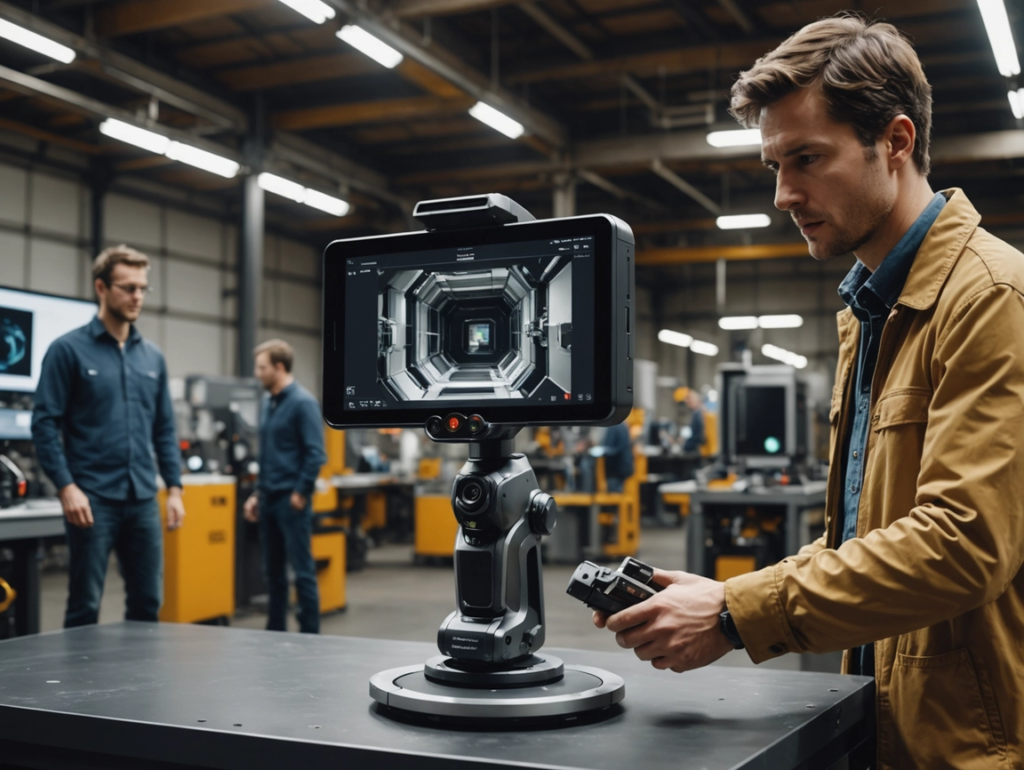

3D scanning, also known as 3D digitization or 3D imaging, is a technology that involves capturing the physical shape, structure, and appearance of real-world objects to create digital 3D models. This is a process where the geometry and often the texture or color of an object are recorded to generate a three-dimensional representation of the object in a digital format.
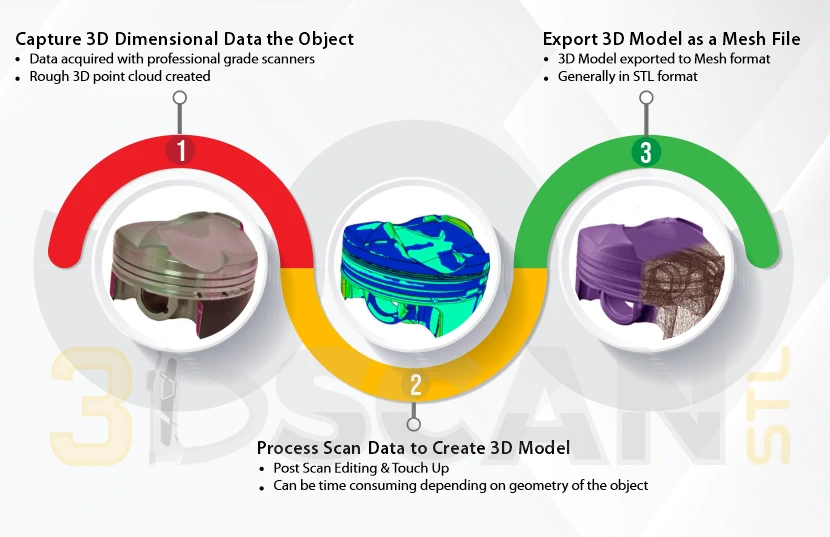
The following explains how the process typically works:
Overall, 3D scanning is a powerful tool that creates a digital representation of physical objects. This enables a wide range of applications across various industries.
3D scanning offers many capabilities and applications across various industries due to its ability to capture and digitize real-world objects in three dimensions. Here are some of the key things that 3D scanning can do:
In essence, 3D scanning transforms physical objects into digital data. A wide range of applications across diverse industries used this to improve efficiency, innovation, and understanding of the physical world.
3D scanning has many applications across various industries. This is due to its ability to capture and digitize real-world objects in three dimensions. Here are some of the key things that 3D scanning can do:
3D scanning can be used to reverse engineer existing physical objects. Thereby allowing for the creation of digital models that replicate their shape, structure, and features. This is particularly useful for redesigning or improving existing products.
3D scanning is crucial in product development for creating prototypes and refining designs. It allows designers and engineers to rapidly capture real-world objects, saving time and resources in the product development cycle.
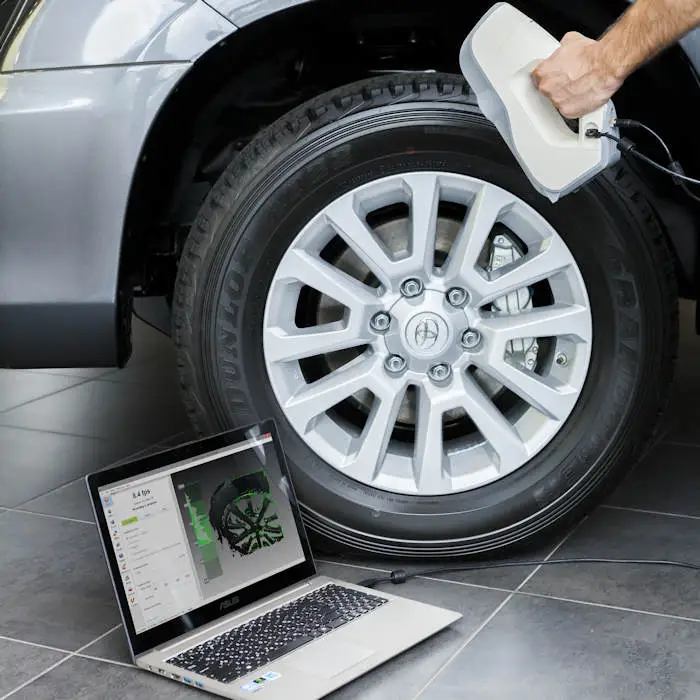
Manufacturers use 3D scanning to inspect and analyze the manufactured parts or products to ensure they meet specific quality standards. Deviations from the intended design can be identified and corrected, maintaining high-quality production.
3D scanning allows for the customization of products to suit individual preferences and requirements. This is particularly relevant in industries such as healthcare (custom prosthetics), fashion (tailored clothing), and consumer goods.
In fields like archaeology and cultural heritage, 3D scanning is used to preserve artifacts, historical sites, and culturally significant objects. It creates a digital archive for future generations and aids in restoration efforts.
3D scanning is integral to creating immersive virtual reality (VR) experiences and simulations. Scanned 3D models can be used to build virtual environments for gaming, training simulations, and educational applications.
3D scanning assists in creating highly realistic 3D models for animation and movies. It streamlines the process of character and set design, enabling accurate modeling and texturing.
In the medical field, 3D scanning is used for surgical planning, creating patient-specific models for pre-surgical analysis, producing custom implants, and generating anatomical models for medical education.
Artists and sculptors use 3D scanning to create digital replicas of their physical artwork or to digitally enhance and manipulate sculptures, enabling new creative possibilities.
3D scanning is utilized for mapping and surveying landscapes, buildings, and infrastructure to create detailed 3D models, aiding in urban planning, construction, and environmental analysis.
Law enforcement agencies use 3D scanning to document crime scenes in detail. This data can be used for forensic analysis and courtroom presentations.
3D scanning is employed in educational institutions and research organizations for various purposes, including anatomy studies, archaeological research, and material analysis.
In essence, 3D scanning transforms physical objects into digital data, enabling a wide range of applications across diverse industries, ultimately leading to improved efficiency, innovation, and understanding of the physical world.
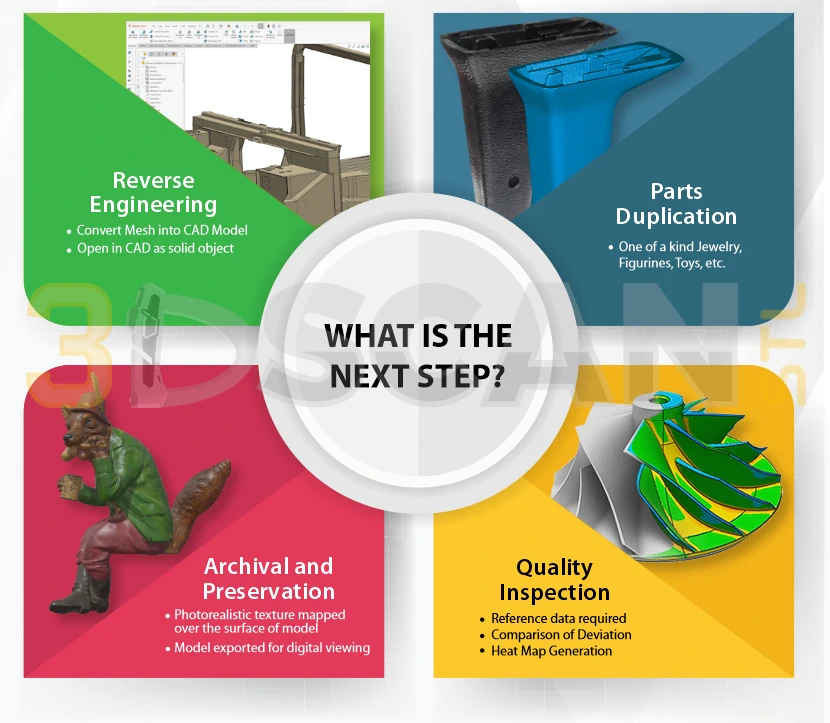
Funny you should ask. The answer is; first, it depends on what you intend to do with the 3D model once it’s created. This also dictates how the object will be scanned. Options such as capturing texture information are important when archiving and preserving an item such as a piece of art or a stunning piece of architecture. If your needs are strictly technical such as reverse engineering or quality inspection, high definition data is necessary to create a ‘solid object’. Next, once converted to a solid object, you can bring it into your preferred CAD software such as SolidWorks, Fusion 360, FreeCad, etc.. Another major use of 3D scanning is to capture and recreate obsolete parts for vehicles, homes, industry and/or manufacturing. In many cases, the 3D model is sufficient for parts duplication without the need to convert the item into a solid CAD object.
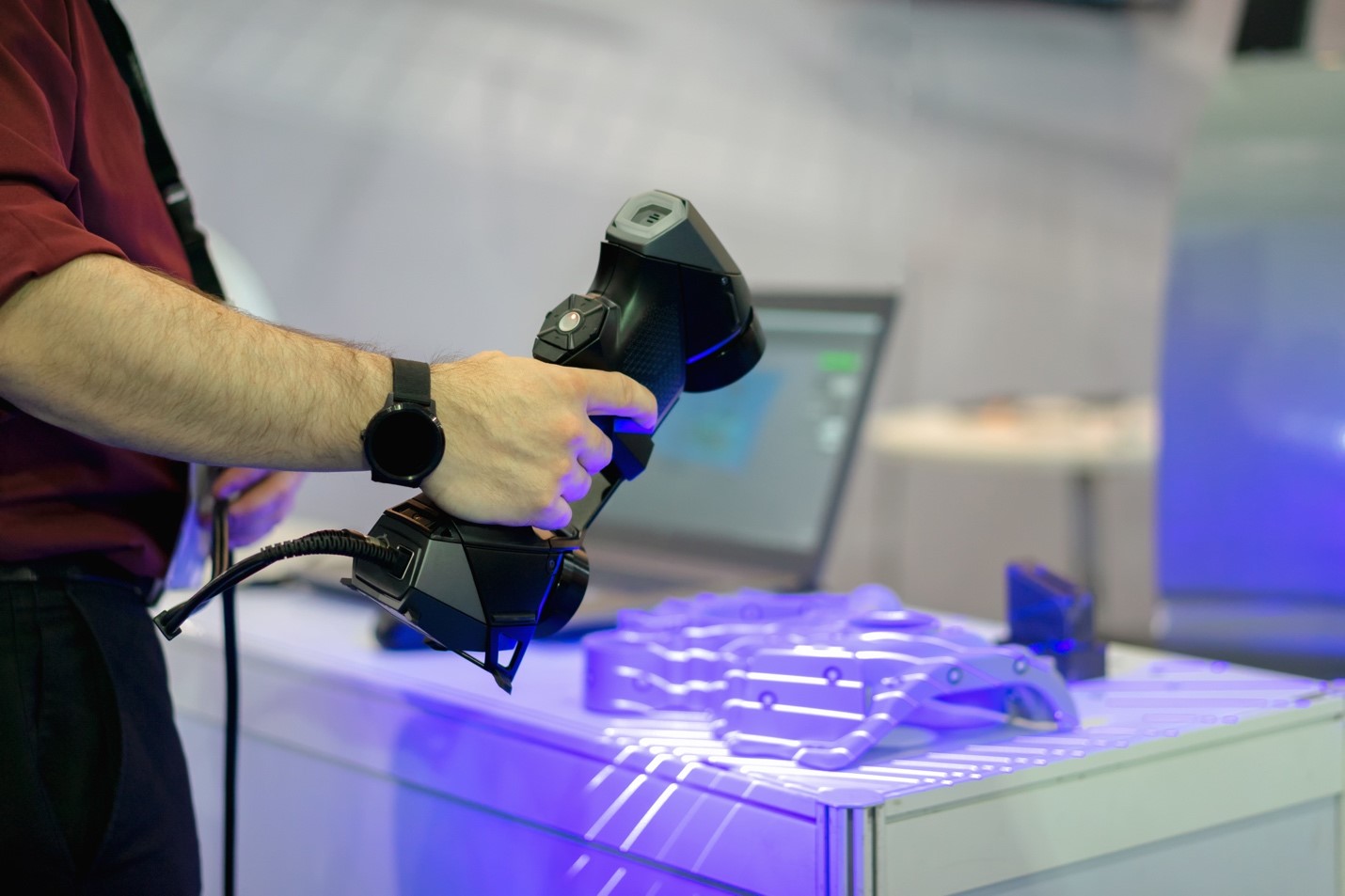
Here at 3D Scan STL, we pride ourselves on being a reliable and trusted partner for all your project needs. With our team of skilled professionals, we prioritize understanding your specific requirements and goals. By taking the time to listen and understand what you want, we can provide tailored solutions that align with your 3D scanning needs.
Our dedication to excellence extends beyond just delivering high-quality 3D models. We strive to provide top-notch customer service, ensuring that you have a seamless and enjoyable experience throughout the entire process. From initial consultation to final delivery, we make you an integral part of the journey.
Funny you should ask. The answer is; first, it depends on what you intend to do with the 3D model once it’s created. This also dictates how the object will be scanned. Options such as capturing texture information are important when archiving and preserving an item such as a piece of art or a stunning piece of architecture. If your needs are strictly technical such as reverse engineering or quality inspection, high definition data is necessary to create a ‘solid object’. Next, once converted to a solid object, you can bring it into your preferred CAD software such as SolidWorks, Fusion 360, FreeCad, etc.. Another major use of 3D scanning is to capture and recreate obsolete parts for vehicles, homes, industry and/or manufacturing. In many cases, the 3D model is sufficient for parts duplication without the need to convert the item into a solid CAD object.
We understand that time is of the essence, and that’s why we focus on efficiency without compromising on quality. Our streamlined workflow allows us to complete projects promptly, ensuring your satisfaction and meeting your deadlines.
In addition to our technical expertise, we stay up-to-date with the latest industry trends and best practices. This knowledge allows us to create solutions that will meet your needs and also future-proof your project.
We have the resources and skills to exceed your expectations. Whether you’re a small business wanting to recreate obsolete car parts, or a large corporation seeking a reliable quality inspection. Trust us to bring your vision to life and take your project to the next level.
Contact us today to discuss your project requirements. We are eager to hear from you and excited to embark on this creative journey together!
314-730-0150
info@3dscanstl.com
10758 Trenton Ave Saint Louis, MO 63132
3D Scanning Services are an innovative way to create accurate digital representations of physical objects using advanced measurement technology.
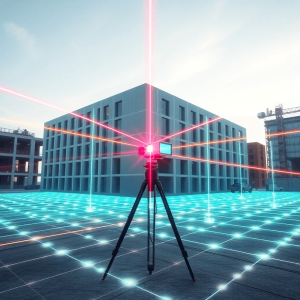
3D scanning buildings has changed the way architects, engineers, and construction professionals capture and analyze structural data. This advanced
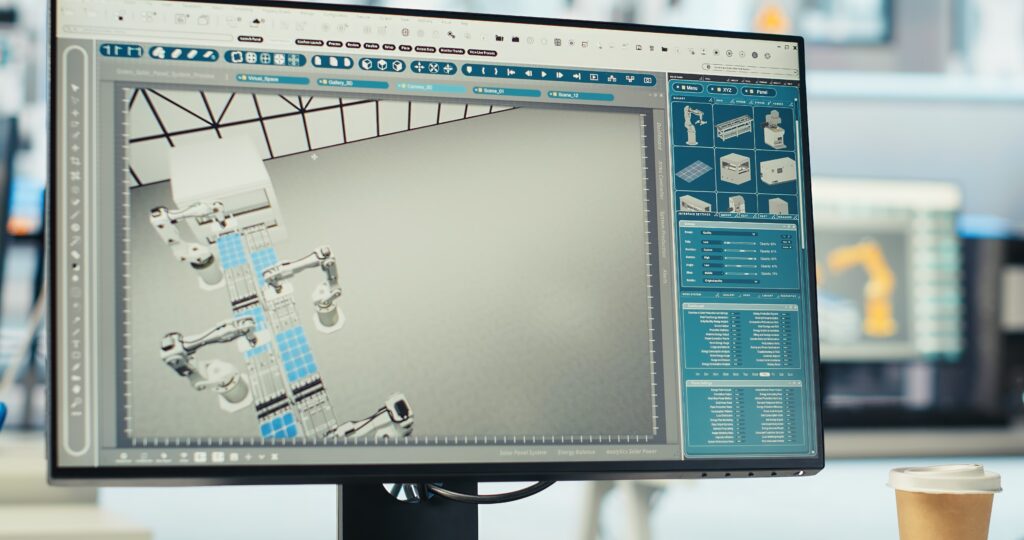
Have you ever held a physical object and wondered how to turn it into a digital file for